Oral Mucositis During Cancer Treatment: Symptoms, Prevention & Management
Oral mucositis is a common side effect of cancer treatment that causes inflammation, redness, soreness, and ulcers inside the mouth. It can develop in patients receiving chemotherapy, radiation therapy to the head and neck, or certain targeted cancer treatments. The condition can make eating, drinking, swallowing, and speaking uncomfortable, potentially affecting nutrition and overall quality of life. Understanding its symptoms and prevention strategies can help patients manage this complication more effectively. Consulting the best medical oncologist Greater Noida can help patients receive personalised guidance and supportive care throughout their cancer treatment.
What Is Oral Mucositis?
Oral mucositis occurs when the protective lining of the mouth becomes inflamed or damaged. Cancer treatments can affect rapidly dividing cells, including the cells that maintain the oral mucosa. As a result, patients may develop painful sores, redness, swelling, and difficulty performing everyday activities.
The severity of oral mucositis varies from mild irritation to extensive ulceration that interferes with eating and drinking. In severe cases, patients may require additional pain management, nutritional support, or temporary adjustments to their cancer treatment.
Early evaluation by the best medical oncologist Greater Noida can help identify the severity of symptoms and establish an appropriate management plan.
Common Symptoms of Oral Mucositis
Symptoms may appear during the first few days or weeks of cancer treatment, depending on the type of therapy and the patient's individual response.
Common signs include:
- Redness and inflammation: The lining of the mouth may appear red, swollen, or irritated.
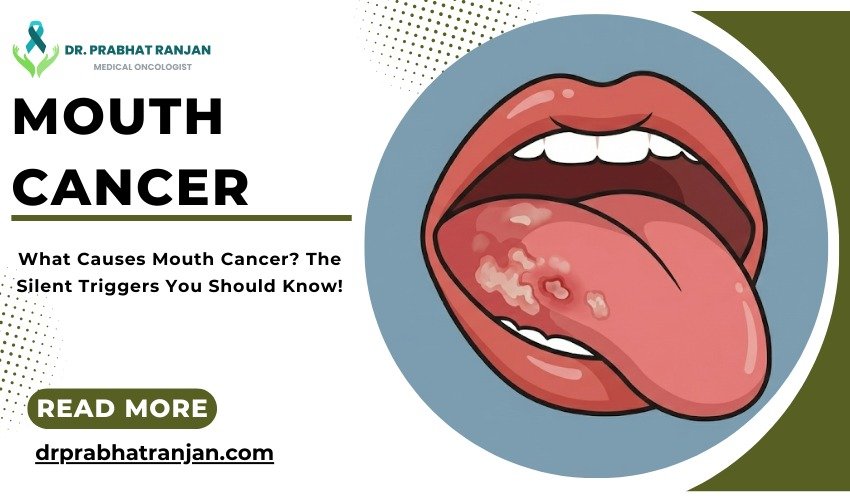
- Painful mouth ulcers: Small sores may develop on the tongue, gums, inner cheeks, or lips.
- Burning sensations: Patients may experience discomfort when consuming hot, spicy, acidic, or salty foods.
- Difficulty swallowing: Pain and inflammation can make swallowing food, liquids, or saliva uncomfortable.
- Dry mouth: Some cancer treatments can reduce saliva production and increase oral discomfort.
- Bleeding and infection: Damaged tissues may bleed, and infections can develop, particularly when immunity is weakened.
- Changes in taste: Food may taste different, reducing appetite and interest in eating.
Patients should inform their cancer care team about new mouth sores or increasing pain. The best medical oncologist Greater Noida can assess whether symptoms are related to treatment, infection, dehydration, or another underlying problem.
What Causes Oral Mucositis During Cancer Treatment?
Oral mucositis can develop because cancer treatments damage healthy cells in the mouth and trigger inflammation.
Chemotherapy: Certain chemotherapy medicines damage rapidly dividing cells, including those lining the mouth. This can lead to inflammation, ulceration, and pain.
Radiation therapy: Radiation directed at the head and neck can injure the oral tissues. The risk may increase with treatment dose and the area exposed to radiation.
Stem cell transplantation: Some conditioning regimens used before a stem cell transplant can cause significant oral mucositis.
Other risk factors: Poor oral hygiene, existing dental problems, dehydration, tobacco use, and nutritional deficiencies may increase discomfort or complicate recovery.
The best medical oncologist Greater Noida can evaluate individual risk factors and recommend preventive measures based on the treatment regimen and the patient's overall health.
How Can Oral Mucositis Be Prevented?
Although oral mucositis cannot always be prevented, several strategies may reduce its severity and help maintain oral health during cancer treatment.
1. Maintain Gentle Oral Hygiene
Brush your teeth gently with a soft-bristled toothbrush and use a mild, non-irritating toothpaste. Clean dentures properly and avoid products that cause burning or irritation. Ask your healthcare team about suitable oral care products if your mouth is particularly sensitive.
2. Rinse Your Mouth Regularly
Rinsing with plain water or a clinician-recommended salt-and-baking-soda solution may help keep the mouth clean and comfortable. Avoid alcohol-containing mouthwashes and strong rinses that can irritate damaged tissues.
3. Choose Soft, Nutritious Foods
Eat soft foods that are easy to swallow, such as porridge, mashed vegetables, yoghurt, or other suitable foods based on your dietary needs. Avoid very hot, spicy, acidic, rough, or crunchy foods if they worsen pain.
4. Stay Hydrated
Drink fluids regularly, provided your medical team has not advised fluid restriction. Small, frequent sips may be more comfortable than drinking large amounts at once.
5. Ask About Preventive Treatments
Depending on the cancer treatment, preventive options may include oral cryotherapy, specialised oral care protocols, or other evidence-based interventions. Their suitability varies by treatment regimen.
Discussing prevention with the best medical oncologist Greater Noida before treatment begins can help patients understand which strategies are appropriate for their individual risk.
Management and Treatment of Oral Mucositis
Treatment focuses on relieving pain, preventing infection, supporting nutrition, and helping damaged tissues heal.
Pain relief: Your clinician may recommend topical treatments or prescribed pain medicines depending on symptom severity. Avoid applying unapproved products directly to mouth ulcers.
Oral care: Gentle brushing and regular rinsing can help maintain cleanliness and reduce irritation. Any mouthwash or topical preparation should be selected according to your clinical needs.
Infection management: White patches, fever, worsening ulcers, or other concerning symptoms may require assessment for fungal, viral, or bacterial infections. Medication should be prescribed according to the suspected or confirmed cause.
Nutritional support: A dietitian can suggest calorie- and protein-rich foods, supplements, or other support if eating becomes difficult. Severe cases may require additional nutritional assistance.
Treatment review: If mucositis becomes severe, the oncology team may consider modifying treatment timing or dosage when medically appropriate. Patients should never change or stop cancer treatment without consulting their care team.
The best medical oncologist Greater Noida can coordinate symptom management and monitor recovery while balancing supportive care with the goals of cancer treatment.
When Should You Consult an Oncologist?
Seek medical advice if mouth sores interfere with eating, drinking, swallowing, or taking prescribed medicines. Contact your cancer care team promptly if symptoms worsen or you notice signs of infection.
Fever during chemotherapy requires urgent medical guidance, as it may indicate a serious infection when white blood cell counts are low. Inability to drink enough fluids, markedly reduced urination, or severe swallowing difficulty also warrants prompt assessment.
Early intervention can reduce complications and help patients continue treatment as safely as possible. Regular follow-ups with the best medical oncologist Greater Noida can support timely assessment, personalised care, and improved comfort throughout the treatment journey.
Conclusion
Oral mucositis is a challenging but manageable side effect of several cancer treatments. Recognising early symptoms, maintaining gentle oral hygiene, choosing suitable foods, and seeking timely medical advice can help reduce discomfort and prevent complications. Every patient's needs are different, so prevention and treatment should be tailored to the type of cancer therapy and the severity of symptoms. Working closely with an experienced oncology team can help patients maintain nutrition, manage pain, and navigate cancer treatment with greater confidence.
Frequently Asked Questions (FAQs)
1. How long does oral mucositis last during cancer treatment?
The duration depends on the treatment and severity. Symptoms may improve within a few weeks after treatment ends, although recovery varies between patients and some cases may last longer.
2. Can oral mucositis be prevented completely?
Not always. Gentle oral hygiene, appropriate mouth rinses, hydration, and treatment-specific preventive measures may reduce the risk or severity, but they cannot guarantee prevention.
3. What foods should I avoid if I have oral mucositis?
Avoid foods that aggravate irritation, including spicy dishes, acidic fruits, very hot drinks, and rough or crunchy foods. Choose soft, moist foods that are easier to swallow.
4. Is oral mucositis a serious complication of cancer treatment?
Mild cases may cause temporary discomfort, but severe mucositis can lead to dehydration, malnutrition, infection, and interruptions in cancer treatment. Prompt assessment is important when symptoms worsen.
5. When should I consult a medical oncologist for oral mucositis?
Consult your oncology team if mouth sores become painful, affect eating or drinking, or continue to worsen. Seek urgent medical guidance for fever during chemotherapy, severe swallowing problems, or signs of dehydration.

.png)

.png)


.png)


.png)



.png)
.png)
.png)

.png)
.png)
.png)
.png)
.png)
.png)
.png)
.png)
.png)
.png)
.png)
.png)
.png)
.png)



.png)
.png)
.png)

.png)
.png)
.png)

.png)
.png)